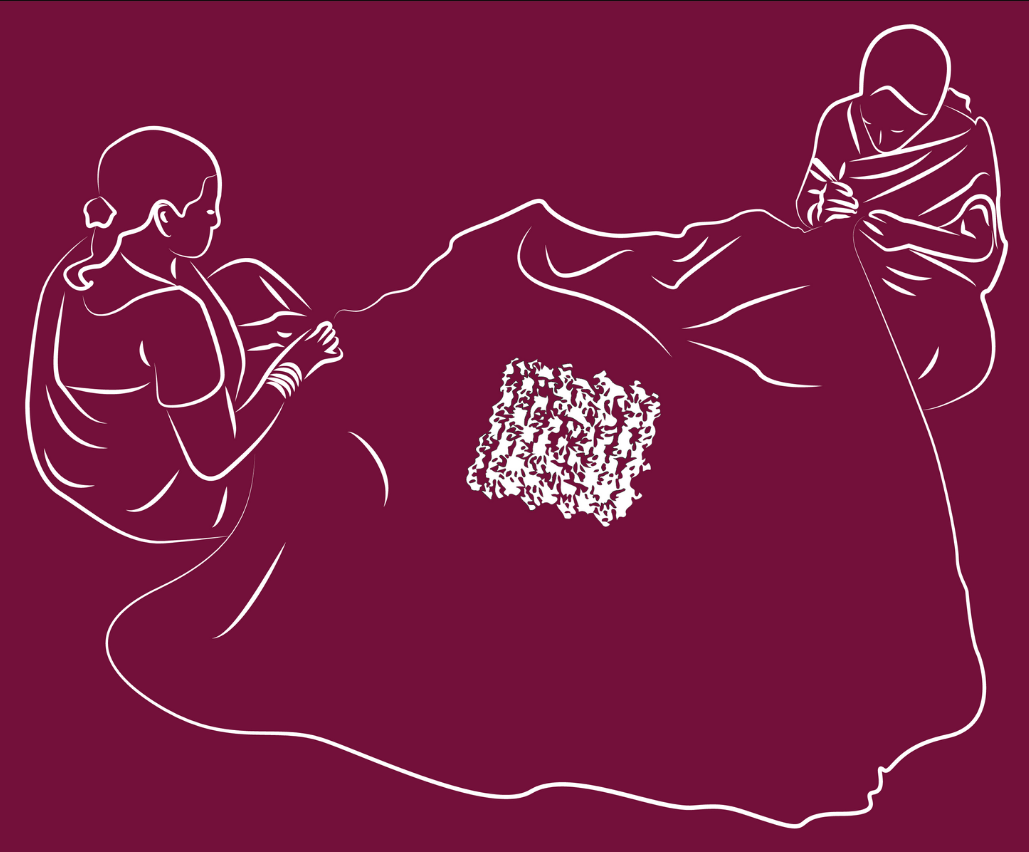
Lace
Other Textiles Based Craft

History
Lace-making in India was introduced by European nuns and Christian missionaries from France, Portugal, and Belgium. They taught techniques such as bobbin lace, Bruges lace, and Cluny embroidery in convents, and over time the craft evolved into what is broadly known as convent embroidery. As the craft spread beyond religious institutions, lace work began to be adapted into Indian textiles and clothing. However, handmade laces later faced stiff competition from imported machine-made laces, impacting the livelihood of the artisans who practiced this delicate, time-intensive craft.
Raw Materials and Tools
Lace-making primarily uses cotton thread and dyed cotton yarn as the base material. Traditionally, linen, silk, and wool were also used, but modern adaptations incorporate synthetic and metallic threads for durability and decorative effect. Essential tools include bobbins, pins, and a pricker for pattern marking, along with pillows (domed, square, or travel) that support the lace while it is being made. Bobbins vary by type, including Honiton Torchon, Bedfordshire, and Bucks Point. A wooden bobbin binder assists in weaving the threads systematically, while scissors are used for trimming and finishing the lace.
Process
The process begins with selecting a pattern, which is then transferred onto cardboard and carefully pricked to mark the path of the threads. A pillow serves as the working base, with bobbins used to hold and manipulate the threads. Each thread is attached to two bobbins, and weaving is carried out through specific movements known as cross and twist. Different combinations of these stitches form intricate designs, while pins are inserted at pricked points to secure the pattern. Once the lace is complete, it is finished by tying square knots or overhand knots, trimming excess thread, and checking the piece to ensure a seamless, delicate final product.
Design and Color
The designs draw heavily from European motifs that have gradually adapted to Indian aesthetics. Key elements include toil (cloth work), réseau (net-like structures), guipure lace, and decorative features like picots and gimp outlining. Chantilly lace, originally made in black silk, has evolved to incorporate softer hues such as white, silver, and gold. In Indian textiles, lace used in sarees and dress borders is often scalloped to give an elegant, flowing finish. The delicate, intricate patterns create an ethereal charm, making lace a luxurious and refined choice for contemporary Indian fashion and décor.
Product Range
The product range has expanded beyond garments to include a variety of decorative and utility items. Lace is used to embellish flower vases, wall plaques, bowls, ashtrays, screens, ring boxes, pill boxes, and boxes of various sizes and shapes. These items highlight the versatility of lace as both a structural and ornamental element, allowing artisans to cater to home décor, gifting, and ceremonial markets in India and abroad.